


Q3 2026 underscored howresilient growth and strong corporate earnings can support risk assets even asinflation, geopolitics and fiscal pressures keep interest rates elevated.
The third quarter was marked by heightened geopolitical and macroeconomic tensions where the continuing war in the Middle East pushed oil prices back above $100 per barrel and European gas prices above €70 per megawatt-hour for most of September. In addition, we witnessed the majority of central banks throughout the world increase interest rates, and the US administration announced a new wave of trade tariffs.
Despite these headwinds, the global economy proved resilient. The US remained the main engine of developed market growth, supported by robust business investment, artificial intelligence (AI)-related capital expenditure and an improving labour market. Consumer spending also held up, partly supported by households drawing on savings as real personal income softened.
This resilience, combined with a buoyant earnings backdrop, helped global equities reach several record highs during the quarter and absorb the rise in bond yields. Positive revisions to 2026 earnings estimates, particularly in the US and emerging markets, meant that profits generally rose faster than share prices, allowing valuations to compress across most regions even as markets advanced.
That said however, the majority of growth was earned in the first two months of the quarter, with geopolitical tensions & inflation fears heating up in September, leading toa negative return on many major indices.
Meanwhile, global bond markets faced a challenging quarter. Renewed pressure on energy prices, persistent inflation, and further policy tightening pushed yields higher.
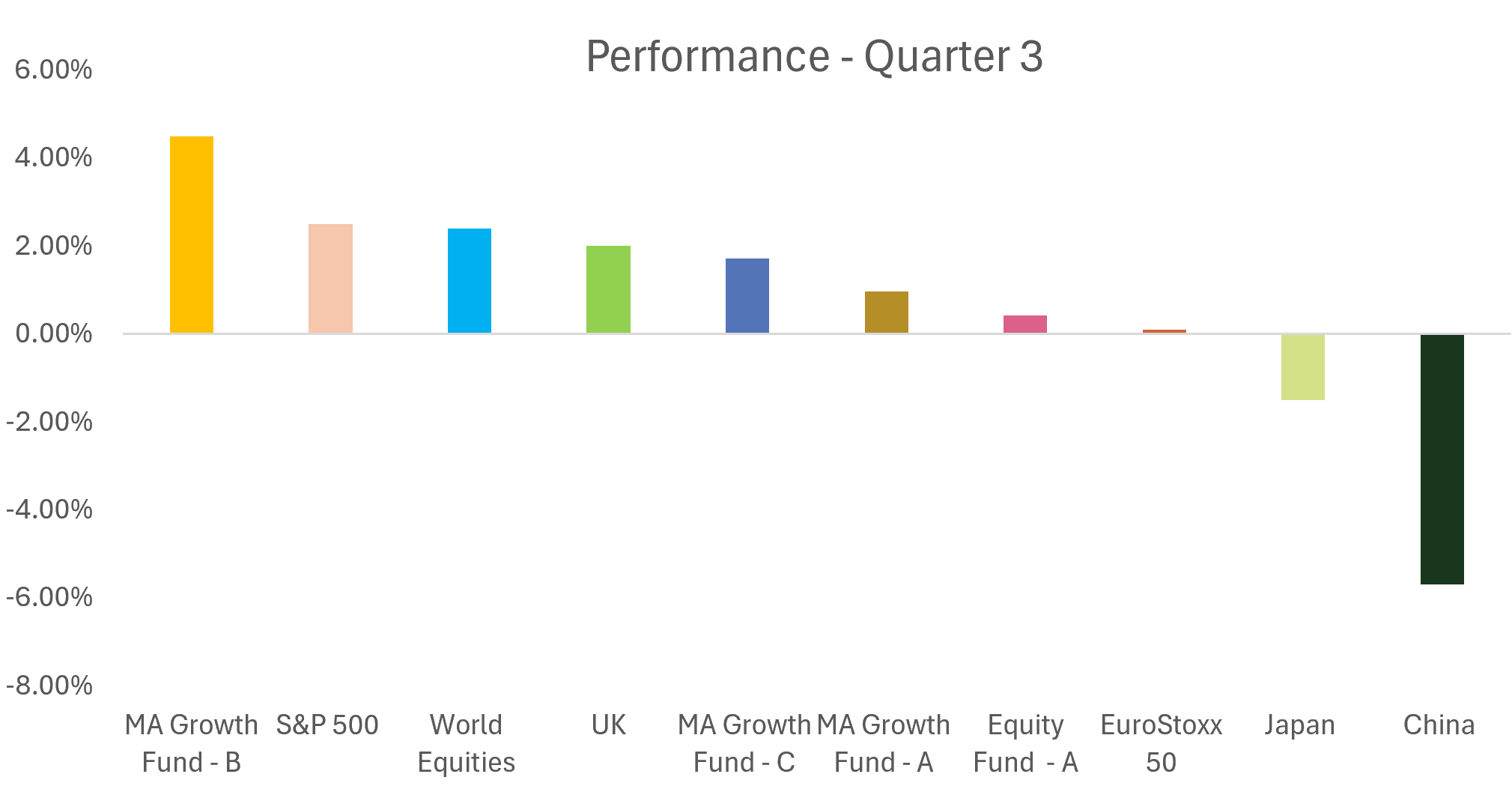
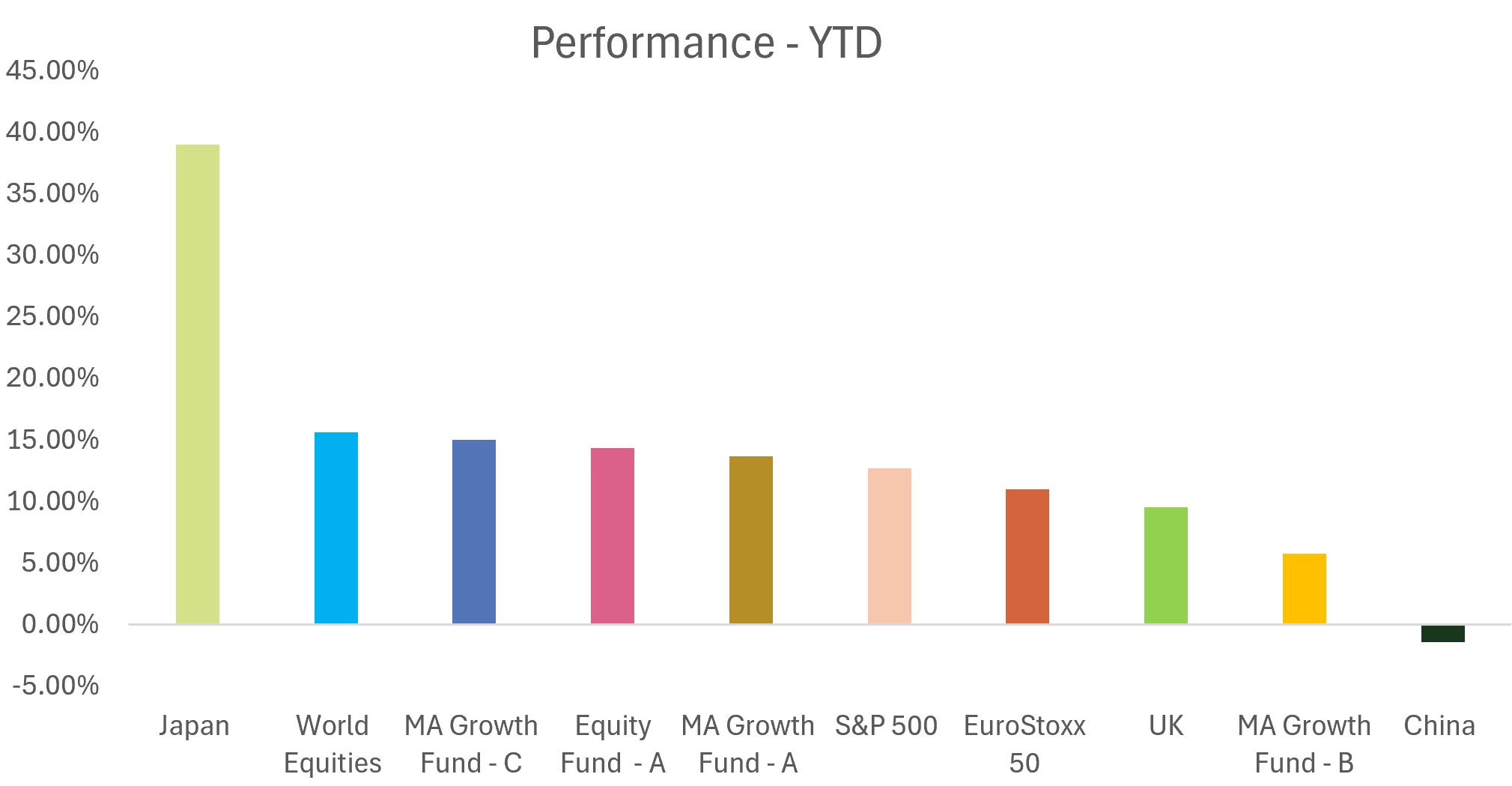
Q3 ended with investors balancing optimism about economic growth against concerns over inflation, interest rates, and geopolitical events. As Q4 begins, the sustainability of the equity rally will depend largely on whether earnings growth can keep pace with higher financing costs and whether bond market pressures ease. One particular major political event that will have a bearing on markets for sure, is the upcoming mid-term elections on the 3rd of November in the United States. This is a direct impact on policymaking in the US for the remaining term of the Trump administration.
For investors, this reinforces the importance of diversification and a long-term investment strategy in an unpredictable market environment. Investors should continue to maintain diversified portfolios and regularly reviewing them with your financial planner is crucial to reaching your financial goals.
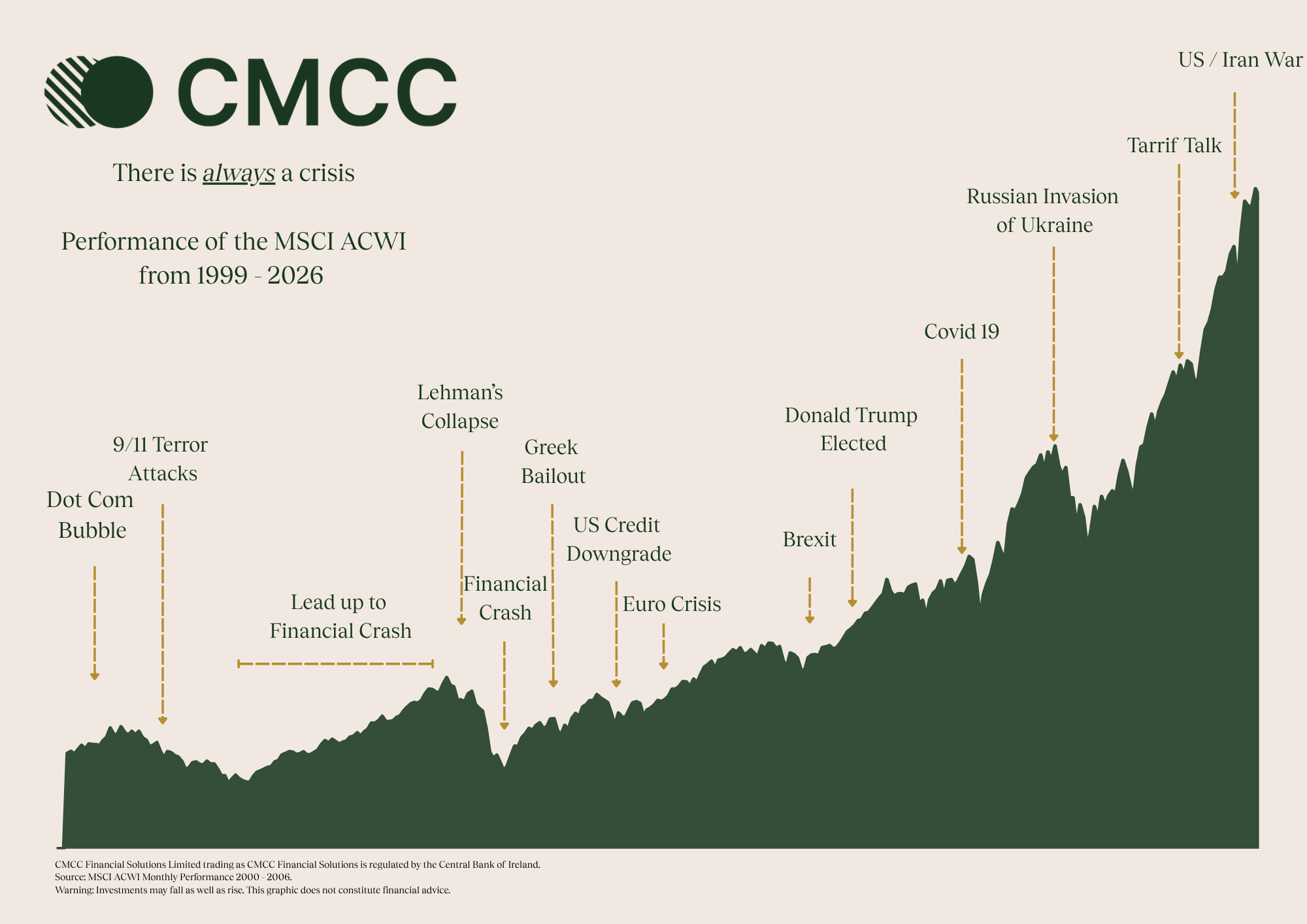
Short-term markets will always have a reason to panic, or spark fear in an investor. It is important to not fall into the trap of short-termism. Crises are part and parcel of investment markets.
As always, if there is any content in the above that you would like to discuss in more detail, please feel free to reach out to us here at CMCC.
